

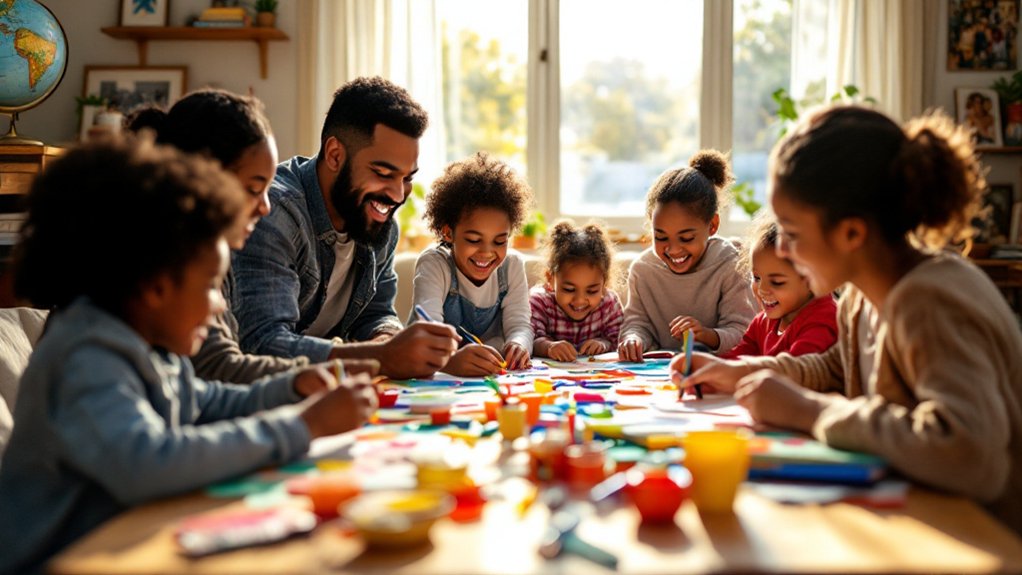
Civic learning is crucial for shaping responsible citizens. When you engage your family in discussions about current events, it fosters awareness and empathy. Simple practices can transform your home into a hub of civic engagement. By integrating fun activities and meaningful conversations into your daily routine, you’ll not only educate your children but also inspire them to take action. Discover how to create lasting habits that will empower the next generation to become informed advocates.
Why Civic Learning Matters for Families
Civic learning matters for families because it fosters a sense of responsibility and connection to the community. When you engage in civic activities together, you’re not just teaching your kids about their rights; you’re showing them the importance of contributing to society.
This shared experience cultivates empathy and awareness, allowing family members to understand diverse perspectives. You’ll notice how discussing local issues can spark curiosity and encourage critical thinking in your children.
By prioritizing civic learning, you’re creating a foundation for informed decision-making and active participation. It helps your family bond over meaningful conversations, making civic engagement a natural part of your lives.
Ultimately, you’re shaping the next generation to care about their community and become proactive citizens.
Kickstart Civic Conversations: Tips for Families
Engaging in civic discussions can be a natural extension of the values you’ve instilled in your family. Start by creating a safe space where everyone feels comfortable sharing opinions.
You might want to introduce current events during family meals, encouraging open dialogue about different perspectives. Ask open-ended questions that spark curiosity, like, “What do you think about this issue?” or “How would you approach it differently?”
Use relatable examples from your community to ground conversations in real-life contexts. Encourage your kids to express their thoughts, and listen actively to theirs.
Lastly, model civic responsibility by participating in local events together, reinforcing the idea that civic engagement is a family commitment. Let these discussions become a regular part of your family’s routine.
Engage Kids With Fun Civic Activities
While fostering civic engagement might seem daunting, incorporating fun activities can make it enjoyable for your kids. Start with games like “Civic Bingo,” where they mark off civic actions like voting or attending a town hall.
Organize a family debate night on local issues; it’s a great way for everyone to express their opinions and learn to respect differing views. You could also create a DIY community service project, like a neighborhood cleanup, to show how actions impact your surroundings.
Even crafting posters about civic responsibilities can spark their creativity. By blending fun with learning, you’ll inspire your kids to become active participants in their community, making civic engagement a natural part of your family life.
Get Involved: Connecting Civic Learning With Your Community
One powerful way to enhance your family’s civic learning is by connecting with your community. Get involved in local events, like town hall meetings or community clean-ups.
These activities not only teach your kids about civic responsibility but also show them how their actions impact those around them. Volunteering at local shelters or food banks can deepen their understanding of social issues and foster empathy.
Encourage discussions about what you observe during these experiences, helping your family reflect on the importance of civic engagement.
Using Technology to Enhance Civic Education
As technology continues to shape our daily lives, leveraging it for civic education can be both engaging and impactful for your family. You can use apps and websites that provide interactive lessons on government, history, and civic rights.
Online forums and social media platforms allow you to discuss current events and share perspectives, fostering meaningful conversations at home. Encourage your kids to follow reputable news sources or podcasts focused on civic issues.
Virtual field trips to museums or government buildings can also spark interest and understanding. By integrating technology into your civic learning routine, you’re not just making education fun; you’re also preparing your family to be informed, active participants in their communities.
Daily Habits for Civic Engagement
Building on the technological tools at your disposal, establishing daily habits for civic engagement can deepen your family’s connection to community issues. Start each day by discussing current events over breakfast; it sparks conversation and awareness.
Use family walks to explore your neighborhood, pointing out local initiatives or problems that need attention. Set aside time each week for volunteering together—whether it’s at a food bank or community garden.
Encourage everyone to follow local officials or organizations on social media, sharing relevant posts to keep the conversation alive. Lastly, make it a point to attend town hall meetings or community forums as a family.
These habits create a strong foundation for civic awareness and involvement that you can build on together.
Celebrate Civic Engagement Milestones Together
Celebrating civic engagement milestones together strengthens your family’s commitment to community involvement.
Whether it’s voting for the first time, completing a community service project, or attending a town hall meeting, these moments deserve recognition.
Create a tradition where you acknowledge these achievements—perhaps with a special dinner or a family outing.
Share stories about what these milestones mean and how they impact your community.
This practice not only reinforces the importance of civic participation but also inspires younger family members to take an active role.
By reflecting on these experiences together, you build a culture of engagement that can last for generations.
Celebrate often, and watch as your family’s connection to civic responsibility deepens.
Conclusion
By making civic learning a family habit, you’re shaping engaged and responsible citizens. Start conversations over meals, dive into fun activities, and connect with your community together. Embrace technology to enhance learning and celebrate your civic milestones. Remember, every small effort counts in nurturing the next generation of advocates. Together, you can inspire curiosity, empathy, and a commitment to making a positive impact in your community. Let’s empower our children to be proactive and informed citizens!
