
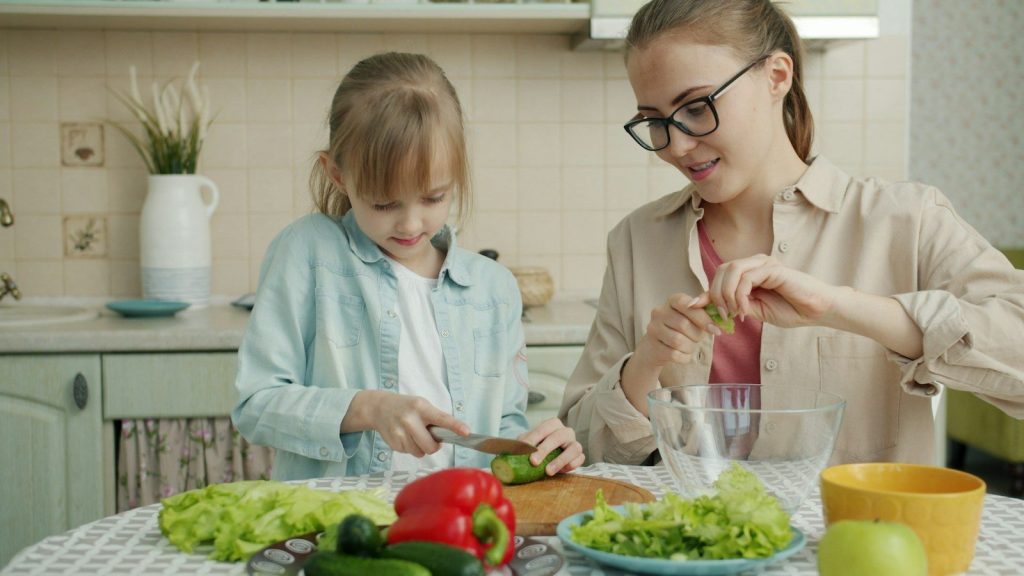
Wouldn’t it be lovely if the kids helped around the house without a full negotiation every time? Here is the good news: kids genuinely like helping, especially when the job fits their age and feels like real, meaningful work.
The secret is starting small, keeping it positive, and choosing tasks they can actually do. Here is a simple age-by-age guide to get your crew pitching in with a smile.
Ages 2 and 3: Little Helpers
Toddlers want to do everything you do, so let them! At this age, chores are really just guided play. They can put toys in a bin, toss dirty clothes in the hamper, wipe up small spills with a cloth, and carry napkins to the table. Keep it to one tiny task at a time and cheer like they just won a trophy. That enthusiasm is the foundation for everything that comes later.
Ages 4 and 5: Ready to Help for Real
Preschoolers can handle simple jobs with a little setup. They can set the table with unbreakable items, match socks from the laundry pile, water plants with a small cup, feed a pet with supervision, and put away their own shoes and coats. Picture charts work wonders at this age. A little drawing of each task turns “go clean up” into a fun checklist they can follow themselves.
Ages 6 to 8: Growing Independence
School-age kids are ready for real responsibility. They can make their bed (imperfectly, and that is fine), clear and wipe the table, sort recycling, sweep small areas, pack their own backpack, and help unload the dishwasher. This is also a lovely age to invite them into the kitchen. Kids who help cook are more likely to eat what is served, which is exactly why we love the shortcuts in our kitchen hacks for dinner in 20 minutes.
Ages 9 to 12: Capable and Confident
Older kids can truly lighten your load. They can fold and put away laundry, load and run the dishwasher, take out trash, walk the dog, make simple snacks and sandwiches, and help with younger siblings for short stretches. This is a great age to teach a “one room reset”: set a timer for fifteen minutes and tidy a room together. It feels like a game, and the results feel amazing.
Make It Stick
If a chore flops, do not worry. Some tasks click right away and others take a few tries. Follow your child’s interest: the kid who loves water gets plant duty, the one who sorts everything gets laundry matching. Working with their personality makes helping feel like a privilege instead of a punishment.
A few gentle rules make chores smoother for everyone. Praise the effort, not the perfection. Resist redoing their work in front of them. Keep tasks short and predictable, tied to daily routines like after breakfast or before screen time. And remember, you are not just getting help with the house. You are raising capable, confident humans who know how to care for a home and the people in it.
For more cozy ways to spend time together once the work is done, our rainy day indoor spots around DC are full of ideas. Happy helping, mama. You have got this!


Elizabeth Redd, the Publisher of this website, grew up in a small town called Newhall, West Virginia, before moving to Washington, DC, in 1964. She worked in Prince George's County Public School System in Maryland for 40 years, opened a wig shop, made clothes, and participated in fashion shows during the '70s and '80s. She worked part-time as a caterer for a couple of years. Hand dancing has been one of her passions. She has also worked in Internet marketing for the last ten years. She also has a passion for learning new things.
She has learned that success is measured not so much by the position one has reached in life but by the obstacles one has overcome while trying to succeed. One thing is for sure: she is living her best life.