


When it comes to teaching kids about consent and boundaries, it’s not just one conversation that matters. It’s about creating an ongoing dialogue that helps them navigate their feelings and relationships. You can start by using everyday situations to illustrate these concepts. But where do you begin? Understanding how to foster this dialogue is key to empowering your children. Let’s explore practical ways to make these lessons resonate for them.
How to Teach Kids the Importance of Consent
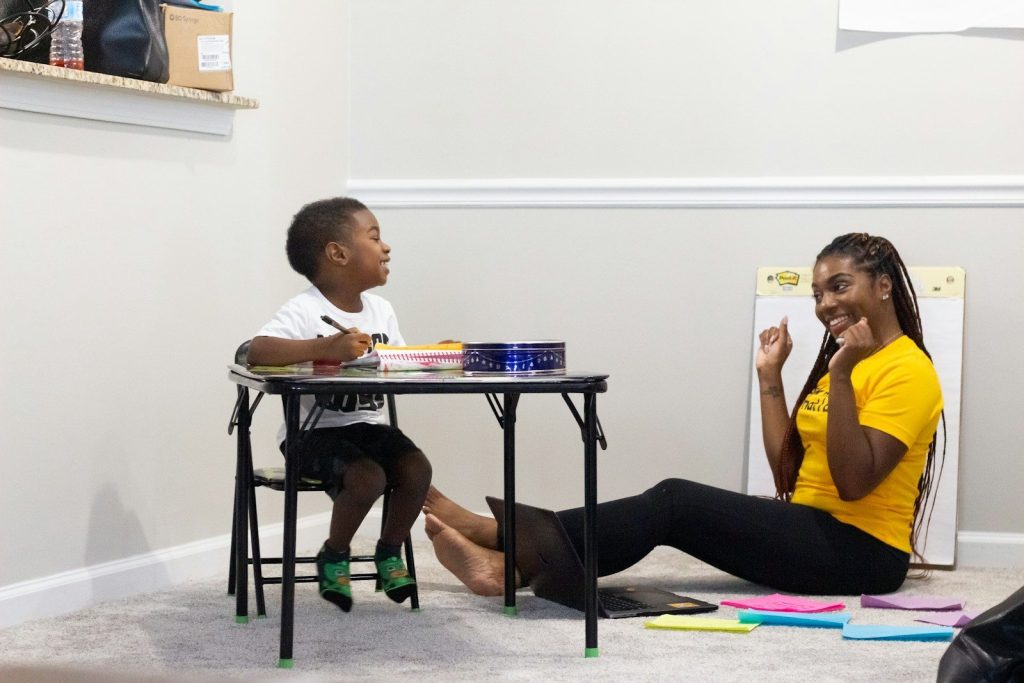
When you teach kids about consent, you’re giving them the tools to respect themselves and others. Start by explaining that consent means understanding and agreeing to what feels comfortable for them and others.
Use simple language and relatable examples, like sharing toys or personal space. Encourage them to express their feelings openly, whether they’re comfortable or not.
Role-play different scenarios to help them practice saying “yes” or “no” confidently. Reinforce that consent isn’t just about physical touch; it applies to emotional interactions too.
Celebrate their autonomy by validating their choices and feelings. By fostering an open dialogue, you create a safe space for them to ask questions and learn, ensuring they grasp the vital importance of consent in all relationships.
Setting Boundaries in Everyday Situations
Teaching kids about consent naturally leads to discussions about setting boundaries in everyday situations. Start by encouraging them to express what feels comfortable or uncomfortable in various contexts, like sharing toys or personal space.
Remind them that it’s okay to say “no” if something doesn’t feel right, whether it’s a hug from a family member or a friend wanting to borrow a favorite game. Role-playing can help kids practice these scenarios, reinforcing their ability to communicate their needs.
Discussing boundaries isn’t just about saying “no”; it’s also about understanding respect for others’ boundaries. By normalizing these conversations, you empower kids to navigate relationships confidently and healthily, laying the groundwork for a respectful understanding of consent.
How to Talk Openly About Consent?
How can you create a safe space for discussing consent with your kids? Start by choosing a comfortable setting where they feel relaxed and open to conversation.
Use age-appropriate language and examples to make the topic relatable. Encourage them to ask questions and express their thoughts without judgment. Make it clear that consent is about respect and understanding personal boundaries.
You can share scenarios they might encounter, like sharing toys or personal space. Emphasize that it’s okay to say “no” and that they should feel empowered to communicate their feelings.
Show them that consent isn’t just about physical interactions but also about emotional boundaries. Reinforcing these principles regularly helps normalize discussions about consent in your family.
Understanding Healthy and Unhealthy Relationships
Understanding the difference between healthy and unhealthy relationships is crucial for kids as they navigate friendships and beyond.
Healthy relationships are built on mutual respect, trust, and open communication. You should feel safe expressing your thoughts and emotions without fear of judgment.
In contrast, unhealthy relationships might involve manipulation, control, or constant criticism, making you feel anxious or uneasy. Recognizing these signs helps you set boundaries and prioritize your well-being.
Encourage your kids to reflect on how their relationships make them feel. Remind them that it’s okay to walk away from situations that don’t align with their values.
Teaching this distinction empowers them to foster positive connections that contribute to their happiness and growth.
Resources for Ongoing Conversations About Consent
What resources can you turn to for ongoing conversations about consent?
Start with books designed for kids and teens, like “Consent for Kids” or “The Consent Guide.” These provide age-appropriate language and scenarios.
Online platforms, like Scarleteen and Planned Parenthood, offer articles and videos that break down consent and boundaries in relatable ways.
Consider attending workshops or webinars that focus on consent education; these can empower you and your kids with practical tools.
Also, engage in community discussions or support groups to share experiences and strategies.
Lastly, always encourage open dialogue at home—ask questions, listen actively, and create a safe space for your kids to express their feelings and thoughts about consent.
Conclusion
Teaching kids about consent, boundaries, and healthy relationships isn’t a one-time chat; it’s an ongoing journey. By encouraging open dialogue and providing relatable scenarios, you empower them to express their feelings and recognize respectful interactions. Equip them with the tools to navigate relationships with confidence and empathy. Remember, fostering emotional intelligence and understanding is key to their growth. Keep the conversation going, and watch them thrive in their interpersonal dynamics!
