

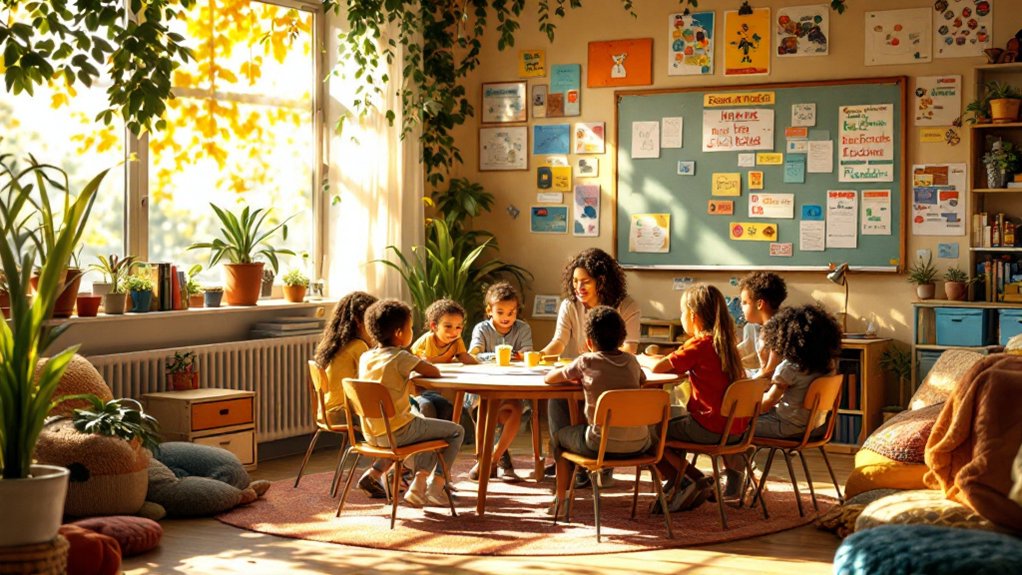
When it comes to school punishment, you might find yourself questioning the traditional methods that often focus solely on consequences. Restorative discipline offers a different perspective, emphasizing relationships and accountability. This approach encourages students to reflect on their actions and their effects on others. But how does this shift in focus truly impact your child and the school community? The answers might surprise you, as there’s much more to explore about this transformative method.
What You Need to Know About Restorative Discipline
Restorative discipline focuses on repairing harm and building relationships, rather than simply punishing students. You’ll find that this approach encourages open dialogue, allowing students to understand the impact of their actions.
Instead of isolating them through traditional punishment, restorative practices invite all parties to engage in conversations that foster empathy and accountability.
You might notice that schools implementing this method often see a decrease in repeat offenses, as students learn to take responsibility for their behavior. This strategy not only addresses conflicts but also strengthens community ties within the school.
Understanding the Difference: Restorative vs. Traditional Discipline
While restorative discipline fosters understanding and accountability, traditional discipline often relies on punitive measures that focus solely on punishment. In traditional approaches, consequences may include detention or suspension, which can alienate students and fail to address the root causes of their behavior.
You might notice that this method often leaves students feeling resentful rather than reflective.
In contrast, restorative discipline encourages open dialogue, allowing students to understand the impact of their actions on others. It emphasizes healing and relationships, creating a supportive environment.
Why Choose Restorative Discipline? Key Benefits
Choosing restorative discipline can transform the school environment, as it prioritizes building relationships and understanding over mere punishment.
You’ll notice a shift in how students interact with one another and with staff. This approach encourages accountability, helping students reflect on their actions and their impact on others.
You’ll find that it fosters a sense of community, making everyone feel valued and heard. Conflict resolution skills improve, leading to decreased behavioral issues over time.
Plus, students often show higher academic engagement when they feel connected to their peers and teachers.
Overall, restorative discipline creates a positive atmosphere that not only addresses misbehavior but also nurtures growth, empathy, and resilience in students.
It’s a win-win for everyone involved.
Common Misconceptions About Restorative Discipline
Many people misunderstand restorative discipline, often assuming it’s just a softer approach to handling misbehavior. In reality, it’s about accountability and personal growth. You might think it lets students off the hook, but that’s far from true.
Restorative discipline encourages students to reflect on their actions, understand their impact, and take responsibility for repairing harm done. Another misconception is that it’s time-consuming; however, many find it creates quicker resolutions by promoting open dialogue.
Some even believe it’s only for serious offenses, but it can effectively address everyday conflicts too. By challenging these myths, you can see how restorative discipline fosters a learning environment focused on respect, empathy, and community, rather than merely punishment.
How Restorative Discipline Fosters Community and Connection
Restorative discipline creates a sense of community and connection by encouraging open communication among students, teachers, and families. When conflicts arise, it invites everyone to engage in meaningful dialogue, helping to build trust and understanding.
Instead of merely punishing, it focuses on repairing relationships and fostering empathy. This approach helps students feel valued and heard, promoting a supportive environment where they can thrive.
As you work through conflicts together, you’ll notice stronger bonds forming. Families become active participants in the process, reinforcing positive behaviors and encouraging accountability.
This collaborative atmosphere not only reduces disruptions but also cultivates a culture of respect and unity. Ultimately, restorative discipline transforms schools into communities where everyone feels connected and committed to one another’s growth.
How Families Can Implement Restorative Discipline
While implementing restorative discipline at home might seem challenging, families can take practical steps to foster a supportive environment.
Start by encouraging open communication; let your children express their feelings without fear of judgment. When conflicts arise, guide them to understand the impact of their actions on others.
Facilitate restorative conversations where everyone involved can share their perspectives and work toward solutions together. Create a safe space for apologies and forgiveness, emphasizing that mistakes are opportunities for growth.
Additionally, model empathy and accountability in your own actions. By practicing these principles consistently, you’ll not only strengthen your family bonds but also equip your children with essential skills for navigating relationships outside the home.
Key Metrics for Evaluating Restorative Discipline Success
To gauge the effectiveness of restorative discipline in schools, specific metrics can provide valuable insights. Start by tracking suspension and expulsion rates; a decrease in these numbers often indicates a shift toward a more supportive environment.
Next, assess student engagement and attendance; higher rates can suggest that students feel more connected and valued. Additionally, gather feedback through surveys from students, families, and staff to capture perceptions of safety and community.
Finally, monitor academic performance to see if restorative practices positively influence learning outcomes. By evaluating these key metrics, you’ll gain a clearer picture of how well restorative discipline is working and where improvements might be needed.
Advocating for Restorative Discipline in Your Child’s School
Advocating for restorative discipline in your child’s school can create a more supportive and inclusive environment for all students.
Start by educating yourself about the principles of restorative discipline. Attend school board meetings and voice your support for alternative approaches to traditional punishment.
Connect with other parents who share your views; together, you can form a coalition to promote change. Organize workshops or informational sessions that highlight the benefits of restorative practices.
Approach teachers and administrators with constructive ideas, emphasizing how these methods can reduce conflict and improve school culture.
Most importantly, encourage open dialogue between students and staff. By actively participating, you’ll help foster a community that prioritizes understanding, healing, and personal growth over punishment.
Successful Case Studies of Restorative Discipline
Successful case studies of restorative discipline illustrate its transformative impact on school environments. For instance, at a middle school in Minnesota, implementing restorative circles reduced suspensions by 50%. Students learned to express feelings and resolve conflicts, fostering a sense of community.
In another case in California, a high school used restorative practices to address bullying. The school saw relationships improve and a drop in incidents, as students felt more heard and understood.
These examples show how restorative discipline not only addresses misconduct but also builds a supportive atmosphere. When schools adopt these practices, they empower students to take responsibility for their actions and develop empathy.
This shift leads to a more positive school culture that benefits everyone involved.
The Role of Empathy in Restorative Discipline
Empathy plays a crucial role in restorative discipline, as it encourages students to understand and share the feelings of others. When you foster empathy in the classroom, students learn to recognize the impact of their actions, making them more accountable.
Instead of punitive measures that isolate, restorative practices invite dialogue. This helps students express their emotions and understand the emotions of those affected by their behavior. You’re not just addressing the misbehavior; you’re cultivating a supportive environment where everyone feels heard.
As students develop empathy, they’re less likely to repeat harmful actions and more likely to contribute positively to their community. In this way, empathy becomes a powerful tool for transformation and healing within the school.
Conclusion
In embracing restorative discipline, you’re not just supporting a new approach to school punishment; you’re fostering a culture of empathy and accountability. This method empowers your child to reflect on their actions and build stronger connections with peers and educators. By advocating for restorative practices, you help create a safer, more inclusive school environment where every voice matters. Together, let’s champion a community that values understanding and promotes positive growth for all students.
