


You might not realize it, but the weight of mental labor can leave you feeling drained, even when you’re supposed to be resting. Unlike physical fatigue, this exhaustion sneaks up on you, making daily tasks feel overwhelming. As you juggle responsibilities and decisions, it’s easy to overlook how they impact your mental energy. Understanding this hidden burden is crucial, but what steps can you take to lighten the load?
Understanding Mental Labor: What It Is and Why It Matters
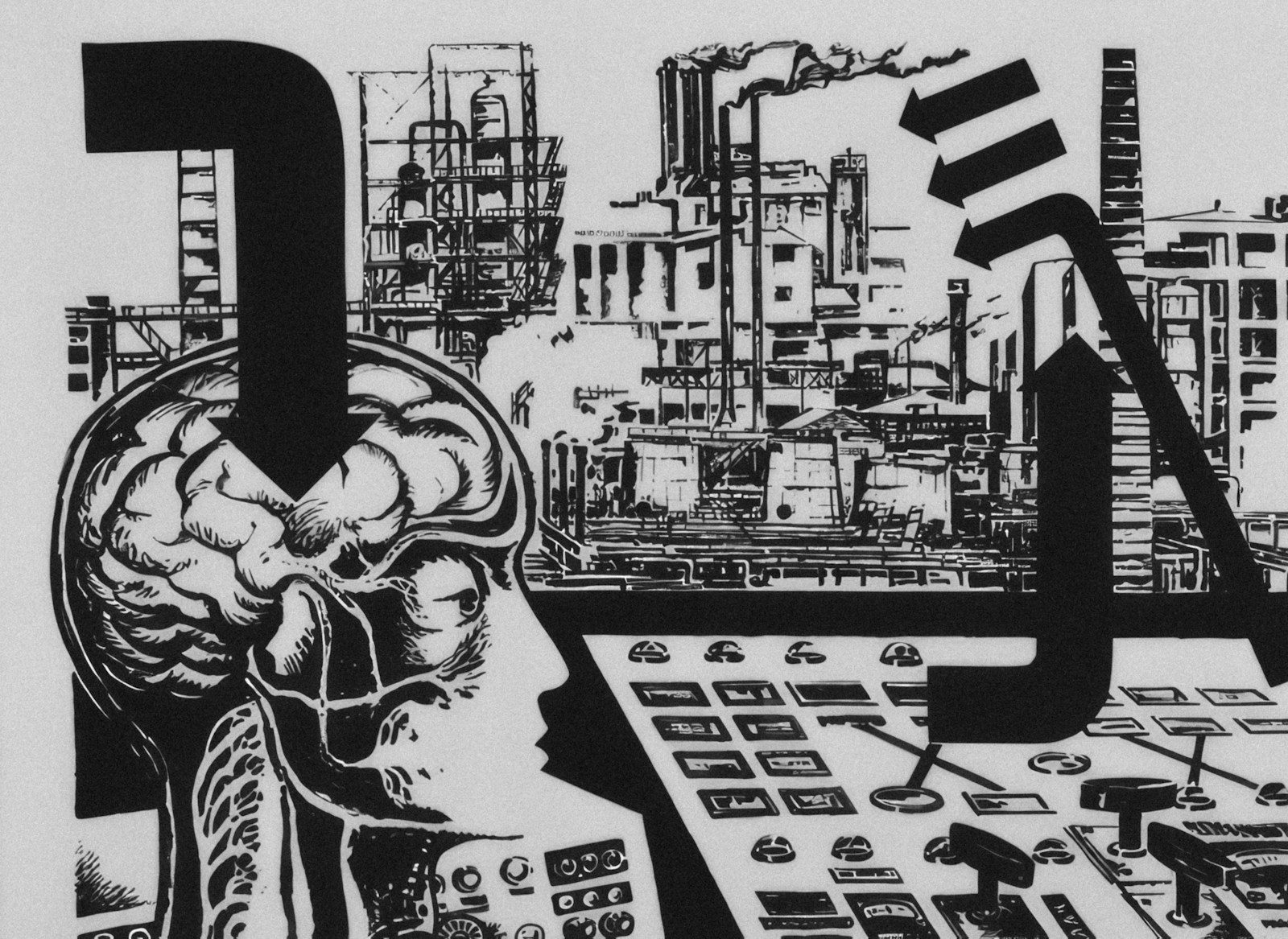
Mental labor is often an invisible yet crucial part of our daily lives. You mightn’t realize it, but the mental tasks you juggle—planning, problem-solving, and decision-making—can be just as exhausting as physical work.
This kind of labor involves processing information, managing emotions, and coordinating tasks, often leaving you mentally drained. It’s not just about what you do at work; it extends to home life, relationships, and personal projects.
Understanding mental labor helps you recognize its impact on your well-being. When you acknowledge this invisible effort, you can better manage your energy and set boundaries.
It’s essential to prioritize self-care, ensuring you recharge and maintain mental clarity in your busy life.
The Hidden Signs of Mental Exhaustion You Should Recognize?
How can you tell if you’re experiencing mental exhaustion? You might notice a constant sense of overwhelm, even during quiet moments.
Tasks that once felt manageable now seem daunting, and your ability to concentrate wanes. You might find yourself easily irritated or emotionally drained, struggling to engage with loved ones or hobbies.
Physical signs, like headaches, fatigue, or trouble sleeping, can also signal mental fatigue. If you’re frequently second-guessing decisions or feeling unmotivated, it’s a clear indication you need a break.
Recognizing these signs is crucial; they’re your mind’s way of saying it needs rest and care. Prioritizing mental wellness can help you reclaim your energy and clarity.
Everyday Tasks That Contribute to Mental Labor
Recognizing the signs of mental exhaustion is just the beginning; understanding what contributes to that fatigue can help you reclaim your mental space.
Everyday tasks like planning meals or managing schedules can weigh heavily on your mind. Juggling family responsibilities, remembering appointments, or even maintaining social connections requires constant mental engagement.
You might also find yourself overthinking decisions, whether it’s what to wear or how to approach a conversation. Even simple tasks, like replying to emails or organizing your workspace, can drain your mental energy.
Each of these activities demands focus and attention, adding to your mental load. By identifying these tasks, you can start prioritizing self-care and delegating responsibilities, alleviating some of that invisible weight.
Differences Between Mental and Physical Exhaustion
While physical exhaustion often manifests through fatigue in your muscles and a need for rest, mental exhaustion can feel more elusive and insidious. You mightn’t have moved much physically, yet your mind races with thoughts, worries, and tasks left unfinished.
Unlike the clear signals your body sends, mental fatigue can creep in silently, leaving you feeling drained and unmotivated. You may struggle to concentrate or make decisions, even when you’re sitting still.
This type of exhaustion often doesn’t respond to typical rest methods, like sleeping or lounging. It’s crucial to recognize these differences, as they impact how you approach recovery and self-care.
Understanding the distinct nature of mental versus physical exhaustion can help you navigate your daily challenges more effectively.
Tips to Ease Your Mental Load
Mental exhaustion can weigh heavily, often leaving you feeling overwhelmed and unable to tackle even simple tasks. To lighten your mental load, try breaking your day into manageable chunks.
Set specific times for tasks and take short breaks in between to recharge. Prioritize your to-do list, focusing on what really matters, and don’t hesitate to delegate when possible.
Mindfulness practices, like meditation or deep breathing, can help ground you and reduce anxiety. Also, limit multitasking; concentrating on one task at a time can enhance your efficiency.
Finally, make time for activities that bring you joy, whether it’s reading, walking, or connecting with friends. These small changes can significantly ease your mental burden and restore your energy.
Cultivating Awareness of Mental Labor in Our Lives
Awareness of the invisible weight of mental labor can transform how you navigate daily life. Start by recognizing the mental tasks you perform daily, from planning meals to managing schedules.
Journaling can help you track these thoughts and tasks, making them more tangible. When you acknowledge the mental energy required, you can prioritize self-care and set boundaries.
Discuss your mental load with friends or family; sharing can lighten the burden. Consider mindfulness practices to ground yourself in the present, reducing overwhelm.
By cultivating this awareness, you’ll not only understand your exhaustion better but also empower yourself to create balance, ensuring mental labor doesn’t overshadow your well-being.
Small shifts in perspective can lead to significant changes in how you feel and function.
Conclusion
Recognizing the invisible weight of mental labor is crucial for your well-being. By understanding its impact and identifying the signs of mental exhaustion, you can take proactive steps to lighten your load. Simple changes in your daily routine can help ease the burden and create space for self-care. Remember, it’s okay to set boundaries and prioritize your mental health. By doing so, you’ll regain your energy and clarity, allowing you to enjoy life more fully.
