In today’s world, understanding civil rights history is crucial for our children. You can introduce them to the powerful stories of local activists, like Mary Church Terrell, who fought tirelessly for justice. By engaging with these narratives, kids can develop empathy and a sense of responsibility. But how can you effectively teach this history while fostering advocacy skills? Exploring practical strategies can make all the difference in shaping a new generation of advocates.
The Importance of Civil Rights Education in D.C
When you consider the rich history of civil rights in Washington, D.C., it becomes clear why education on this topic is essential. Understanding this history helps you appreciate the struggles and triumphs that shaped the nation.
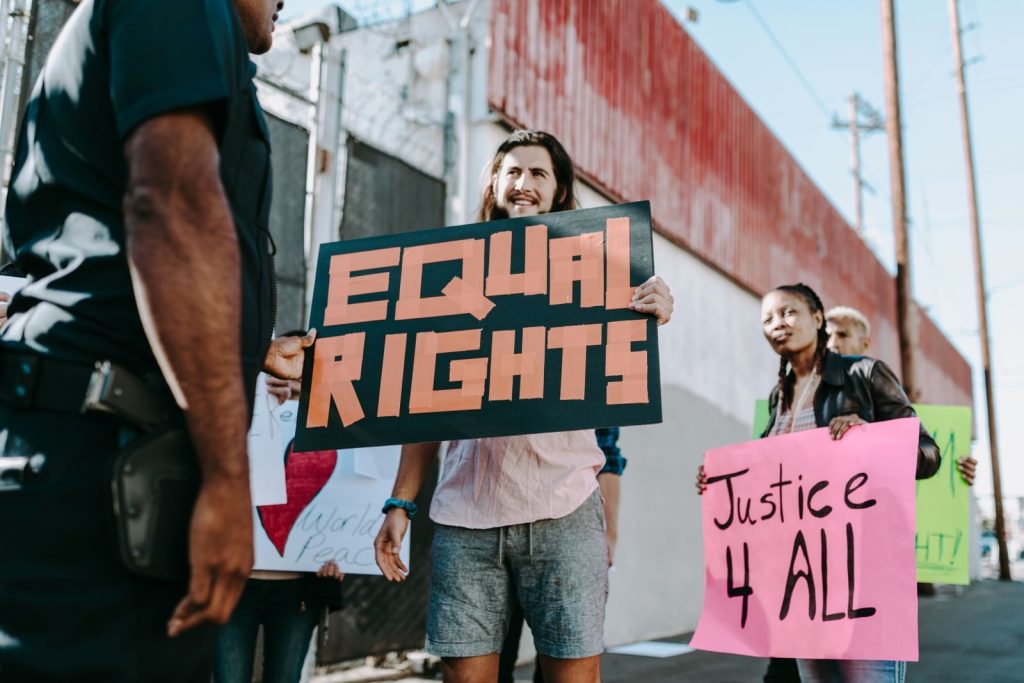
By teaching children about pivotal events and figures, you instill a sense of justice and responsibility in them. They learn that activism isn’t just a word; it’s a call to action.
Moreover, civil rights education fosters empathy, encouraging kids to recognize and challenge injustice in their communities. It empowers them to engage with current social issues, promoting critical thinking and informed citizenship.
Ultimately, equipping the next generation with this knowledge ensures that the lessons of the past guide their future advocacy efforts.
Engaging Stories of Local Activists
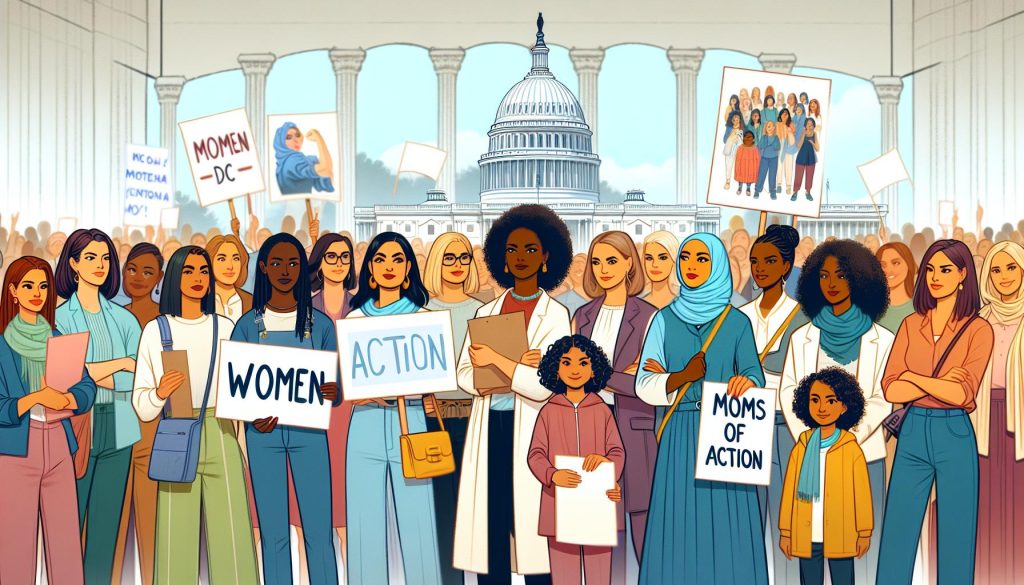
Understanding the history of civil rights in D.C. naturally leads to the inspiring stories of local activists who fought for justice. You’ll find powerful narratives about individuals like Mary Church Terrell, who advocated for education and women’s rights, and the young students of the D.C. Youth Coalition, who bravely organized protests against systemic racism.
Their courage and determination show how grassroots movements can spark change. By sharing these stories, you help your children see that activism isn’t just a distant concept; it’s alive in their community.
Encourage them to explore the legacies of these activists and understand the importance of standing up for what’s right. These engaging tales can ignite their passion for justice and inspire them to become advocates themselves.
Practical Strategies for Teaching Civil Rights to Kids
To effectively teach kids about civil rights, start by making the history relatable and engaging. Use stories that highlight local figures and events, drawing connections to their own lives.
Encourage discussions by asking open-ended questions about fairness and equality, prompting them to think critically. Incorporate multimedia resources like documentaries, podcasts, or interactive websites that capture their attention and illustrate the struggles and triumphs of activists.
Organize field trips to historical sites or museums in Washington, D.C., where they can immerse themselves in the history firsthand.
Finally, empower them to express their views through art, writing, or community projects, fostering a sense of ownership over the civil rights narrative. This hands-on approach makes learning meaningful and memorable.
Resources for Exploring Civil Rights History
Building on engaging teaching strategies, a variety of resources can help deepen your exploration of civil rights history.
Start by visiting local museums, like the National Museum of African American History and Culture, which offers interactive exhibits.
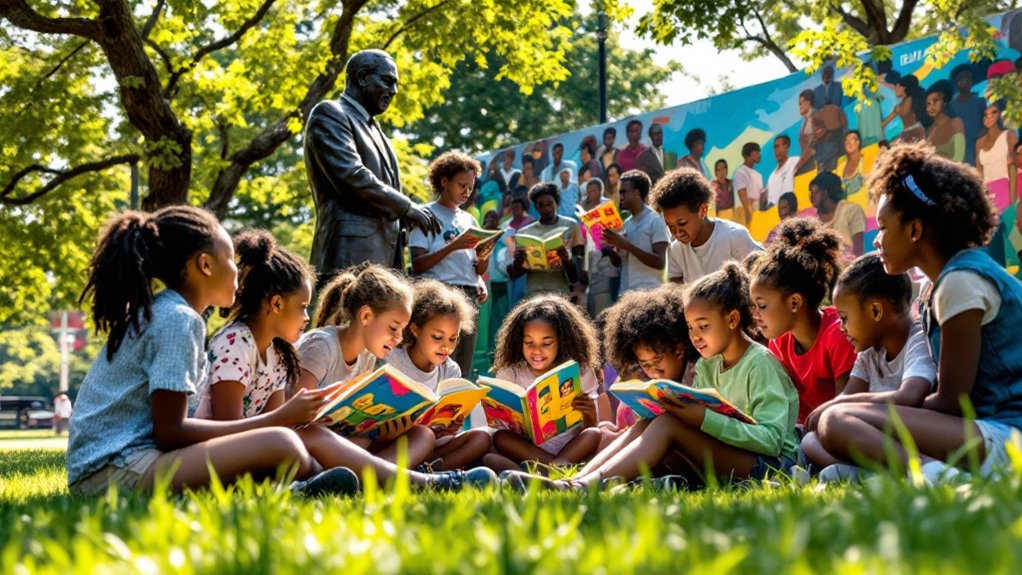
Consider reading age-appropriate books that highlight key figures and events, such as “Martin’s Big Words” for younger kids.
Documentaries and films can also provide visual context—check out titles like “Eyes on the Prize.”
Online platforms, such as the Library of Congress or National Archives, offer primary sources and educational materials.
Finally, podcasts and audio stories can spark discussions at home.
Using these resources, you’ll create a richer understanding of the civil rights movement for your children.
Fostering Advocacy Skills in Children
While exploring civil rights history, you can inspire your children to become advocates for change. Start by encouraging them to ask questions about justice and fairness.
Discuss the stories of those who fought for equality, emphasizing the importance of standing up for what’s right. Engage them in conversations about current social issues, helping them connect the past to the present.
Role-playing different scenarios can also build their confidence in expressing their views. Encourage them to write letters to local leaders about issues they care about, reinforcing that their voices matter.
Lastly, celebrate their efforts and achievements, no matter how small, to foster a sense of empowerment and responsibility toward making a difference in their communities.
Building a Community of Young Advocates
Creating a vibrant community of young advocates starts with fostering connections among children who share a passion for social justice. Encourage your kids to participate in local events, workshops, or clubs focused on advocacy.
These experiences not only build friendships but also deepen their understanding of the issues at hand.
Help them find mentors—adults or older teens who can guide and inspire them. Encourage discussions at home about current events and historical movements, allowing them to voice their opinions and concerns.
Support collaborative projects where they can express their ideas and work towards common goals.
Conclusion
By teaching our kids the true civil rights history of Washington, D.C., you’re not just sharing facts—you’re inspiring a new generation of advocates. Engaging with local activists’ stories and using practical strategies, you help them develop empathy and critical thinking skills. Together, you can foster a community of young advocates ready to challenge injustice and make meaningful contributions. Let’s empower our children to understand their role in shaping a more just and equitable world.