
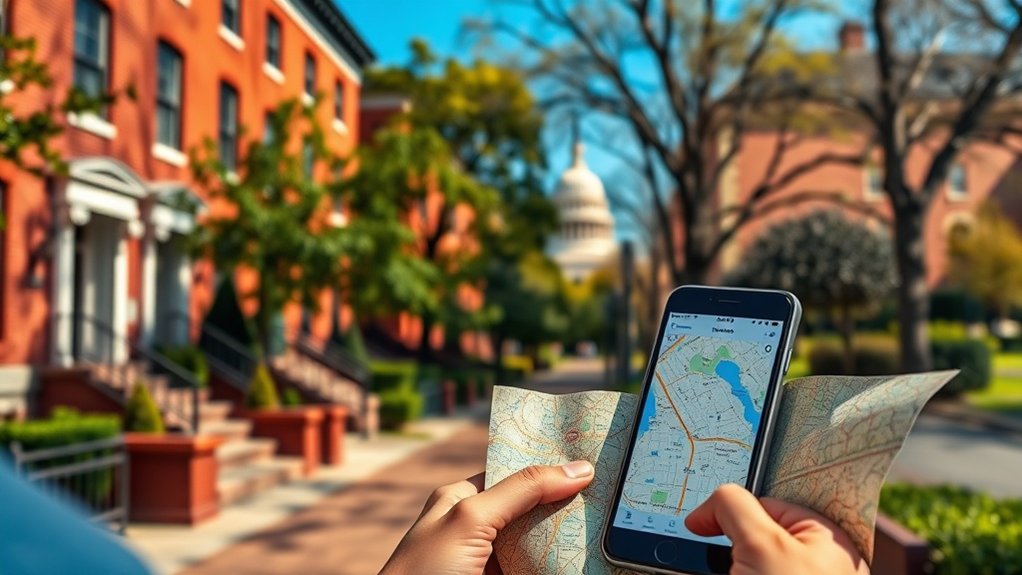
When planning your stay in Washington DC, prioritizing safety is essential but can feel overwhelming given the city’s size and diversity. You’ll want to identify neighborhoods known for low crime rates and understand how to verify the security measures of hotels or rentals. Knowing what to look for can make a significant difference in your peace of mind. But what specific steps should you take to ensure your accommodations truly offer a safe environment?
Which Neighborhoods Are Safest for Visitors in Washington DC?
When choosing where to stay in Washington DC, safety is a top priority. You’ll want to consider neighborhoods like Capitol Hill, Georgetown, and Dupont Circle, which are known for their well-maintained streets and low crime rates.
These areas offer a mix of historic charm and convenient access to major attractions, making them ideal for visitors. Additionally, areas like Navy Yard and Foggy Bottom have seen significant development, improving safety and amenities.
While these neighborhoods are generally safe, it’s smart to stay aware of your surroundings and follow local advice. By selecting your lodging in these parts of the city, you’ll enjoy peace of mind alongside easy access to Washington DC’s vibrant culture and landmarks.
How Can You Verify Safe Lodging in Washington DC?
Choosing a safe neighborhood is just the first step; you also need to confirm that your lodging meets safety standards.
Start by checking online reviews on trusted platforms like TripAdvisor or Google. Look for consistent positive feedback regarding cleanliness and security.
You can also visit the hotel’s or rental’s official website to see if they highlight safety policies or certifications. Don’t hesitate to call directly and ask about their safety measures or recent upgrades.
Additionally, verify if the property is registered with local authorities or tourism boards, as this often means they comply with regulations.
Finally, use tools like Google Maps to assess the surrounding area’s lighting and activity during your planned stay.
These steps help ensure a secure and comfortable experience in Washington DC.
What Security Features Should You Look For in Hotels and Rentals?
Security features play a crucial role in ensuring your stay is safe and worry-free.
When choosing hotels or rentals in Washington DC, look for well-lit entrances and common areas—they deter crime and help you navigate safely at night.
Check if the property has secure locks on doors and windows, ideally deadbolts or electronic key card access.
Surveillance cameras in public spaces add another layer of protection.
You’ll also want to see if there’s a 24/7 front desk or on-site staff ready to assist in emergencies.
For rentals, a safe or lockbox for valuables is a smart feature.
Finally, emergency exits should be clearly marked and accessible.
Prioritizing these security measures helps you relax and enjoy your visit without unnecessary worry.
How To Spot Legitimate Short-Term Rentals in Washington DC?
Although short-term rentals offer flexibility and comfort, you need to be careful to avoid scams or unsafe options in Washington DC.
Start by booking through well-known platforms like Airbnb or Vrbo, which verify hosts and provide reviews. Check the listing’s photos closely—legitimate rentals have clear, consistent images showing the entire space.
Read guest reviews carefully for mentions of safety and accuracy. Confirm the host’s identity and communication responsiveness; legit hosts answer questions promptly and professionally.
Avoid deals that seem too good to be true or require payment outside the platform. Verify the rental complies with DC’s regulations by asking for a license number.
Lastly, trust your instincts—if something feels off, look elsewhere. This way, you’ll find a legitimate rental that’s both safe and comfortable.
Which Transportation Options Are Safest When Getting Around DC?
How can you ensure your transportation around Washington DC is both convenient and safe? Start by using the Metro, which is generally reliable and well-monitored, especially during peak hours.
Always stay in well-lit areas while waiting for trains and avoid empty cars late at night. Buses are another option, but check routes and schedules ahead to avoid long waits at isolated stops.
If you prefer rideshares like Uber or Lyft, confirm the driver’s identity and share your trip details with a trusted contact. Avoid hailing cabs off the street; use official taxi stands or apps instead.
Walking can be safe in busy, well-populated neighborhoods, but stay alert, stick to main roads, and avoid poorly lit or deserted areas after dark.
How Can You Access Real-Time Safety Updates in Washington DC?
Staying informed about your surroundings complements safe transportation choices in Washington DC. To access real-time safety updates, start by downloading apps like Citizen or Nextdoor, which provide live alerts about incidents in neighborhoods.
Follow local law enforcement on social media platforms such as Twitter and Facebook for immediate updates and official safety announcements. Sign up for DC’s emergency notification system, AlertDC, to receive timely warnings via text or email.
Also, check news websites like WTOP or The Washington Post frequently for breaking news. By actively monitoring these sources, you’ll stay aware of potential risks and avoid unsafe areas, helping you make smarter, safer decisions during your visit.
This proactive approach ensures you’re never caught off guard in the city.
What Emergency Plans Should You Make While Visiting Washington DC?
When you visit Washington DC, having a clear emergency plan can make all the difference in unexpected situations.
First, identify nearby hospitals and police stations, so you know where to go if help is needed. Share your itinerary with a trusted friend or family member, keeping them updated on your whereabouts. Save local emergency numbers on your phone, including 911 and non-emergency contacts.
Plan multiple routes back to your accommodation in case of road closures or transit issues. Familiarize yourself with evacuation procedures if you’re staying in a hotel or rental property.
Lastly, carry a small emergency kit with essentials like water, a flashlight, and a portable phone charger. Being prepared helps you stay safe and calm while exploring the city.
How To Define Safety for Your Washington DC Stay?
Although safety means different things to different people, you should start by considering what makes you feel secure during your stay in Washington DC.
Think about factors like neighborhood reputation, proximity to emergency services, and how well-lit the area is at night. You’ll also want to evaluate the security features of your accommodation—does it have controlled access, security cameras, or a 24-hour front desk?
Personal comfort plays a huge role too; if something feels off, trust your instincts. Check recent reviews to see if past guests mention safety concerns.
Defining safety also means considering your travel habits—whether you plan to explore late at night or stay mostly indoors affects what you need.
Conclusion
By focusing on safe neighborhoods like Capitol Hill or Georgetown, checking online reviews, and confirming security measures directly with hotels or rentals, you’ll find a secure place to stay in Washington DC. Always book through trusted platforms and verify properties with local authorities to avoid scams. Remember to plan emergency contacts and stay updated on safety alerts. Taking these steps ensures your visit is comfortable, worry-free, and enjoyable in the nation’s capital.
