
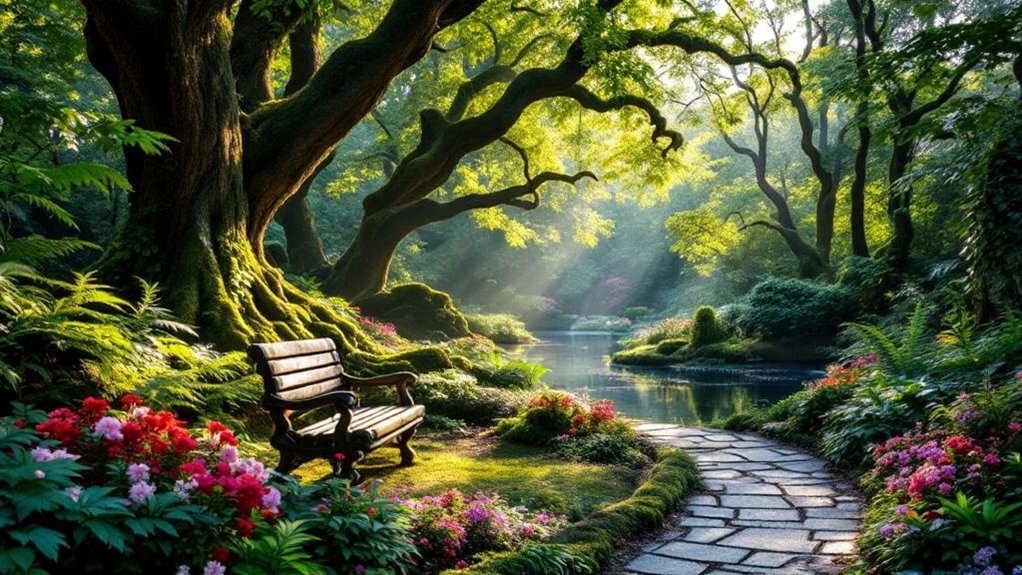
If you’re looking for a quiet spot in Washington, D.C. that feels worlds away from the usual city pace, Dumbarton Oaks Park could be exactly what you need. Its blend of natural beauty and thoughtful design offers more than just a walk in the park. From hidden waterfalls to carefully crafted gardens, there’s a lot to discover—if you know where to look.
What Makes Dumbarton Oaks Park a Hidden Gem in DC

Washington, DC, boasts many well-known parks, Dumbarton Oaks Park stands out as a hidden gem because it offers a serene, natural escape filled with winding trails, historic stonework, and lush landscaping.
When you step inside, you’ll immediately notice how peaceful it feels compared to busier city spots. The park’s varied terrain invites you to explore quiet pathways lined with native plants, gentle streams, and secret garden corners.
You’ll appreciate the blend of natural beauty and subtle human touches—like stone walls and bridges—that create a tranquil atmosphere perfect for reflection or a leisurely stroll.
Whether you want a moment away from the city’s hustle or a scenic spot for photography, Dumbarton Oaks Park quietly delivers an intimate and refreshing outdoor experience.
The Story Behind Dumbarton Oaks Park’s Design
When you wander through Dumbarton Oaks Park, you’re walking through a carefully crafted landscape shaped by renowned landscape architect Beatrix Farrand. She designed the park in the 1920s, blending naturalistic elements with classical garden design.
Farrand’s vision emphasized harmony between nature and structure, using native plants and thoughtfully placed paths to create a serene escape. She worked closely with the owners, Mildred and Robert Woods Bliss, to ensure the park reflected their love of history and beauty.
You’ll notice how Farrand preserved the park’s original topography, enhancing it rather than altering it dramatically. This approach gives Dumbarton Oaks Park its timeless, peaceful feel, making your visit feel like stepping into a living work of art shaped by one of America’s pioneering female landscape architects.
Top Features: Waterfalls, Gardens, and Trails
Three key features define Dumbarton Oaks Park’s charm: its waterfalls, gardens, and trails.
When you visit, you’ll immediately notice the soothing sound of water cascading over natural rock formations, creating peaceful waterfalls that enhance the park’s serene atmosphere.
The gardens burst with seasonal color, featuring native plants and carefully curated blooms that invite you to pause and enjoy nature’s beauty.
As you explore, you’ll find well-maintained trails winding through wooded areas and open spaces, offering a quiet escape from the city’s hustle.
These paths connect you to various scenic spots, making every walk feel like a discovery.
Together, these elements create a harmonious blend of nature’s artistry, perfect for relaxation and inspiration.
Navigating Trails and Waterfalls in Dumbarton Oaks
As you step onto the winding trails of Dumbarton Oaks Park, you’ll find clear signage guiding you through a network that highlights the park’s stunning waterfalls. The paths are well-maintained, letting you easily explore without worrying about getting lost.
Follow the trail markers to encounter serene cascades tucked among lush greenery. You can pause at various lookout points to admire the gentle flow of water and snap a few photos.
The terrain varies from gentle slopes to more rugged sections, so wear comfortable shoes. The trails loop around the park, giving you options to extend your walk or take shorter routes.
As you navigate, listen for the soothing sound of water, which often signals you’re near one of the park’s hidden gems.
Best Times to Visit Dumbarton Oaks Park
Although Dumbarton Oaks Park is beautiful year-round, you’ll find the best experience by visiting during spring and early fall. In spring, vibrant blooms burst to life, filling the garden with color and fresh scents. The mild temperatures make walking the trails a joy, without the summer crowds.
Early fall offers crisp air and stunning foliage as leaves turn shades of amber and crimson, creating a peaceful, picturesque setting.
Summer can get warm and humid, which might make your stroll less comfortable, while winter’s bare trees give the park a quiet, serene charm but limit the visual appeal.
To fully enjoy the park’s natural beauty and tranquility, plan your visit when the weather complements the garden’s seasonal highlights.
What to Bring and Tips for Visiting Dumbarton Oaks
A comfortable visit to Dumbarton Oaks Park starts with packing the right essentials.
Bring sturdy walking shoes since the terrain includes winding paths and gentle slopes. Don’t forget a water bottle to stay hydrated, especially in warmer months. A light jacket or hat can protect you from sudden weather changes.
While pets aren’t allowed, bringing a camera or smartphone is a must to capture the park’s stunning landscapes.
Plan your visit during daylight hours because the park closes at dusk. Stick to marked trails to preserve the garden’s beauty and respect any posted signs.
Lastly, arrive early or midweek to avoid crowds and enjoy a peaceful stroll in this hidden gem.
Nearby Attractions to Visit With Dumbarton Oaks Park
Wondering what else to explore near Dumbarton Oaks Park? Just a short walk away, you’ll find the Dumbarton Oaks Museum and Gardens, where art and history blend beautifully.
Take your time wandering the elegant gardens or explore the museum’s impressive Byzantine and Pre-Columbian collections.
If you’re up for more, head to Georgetown’s historic district nearby. Stroll the charming streets filled with unique shops, cozy cafes, and waterfront views.
For a nature fix, the nearby Rock Creek Park offers scenic trails and peaceful picnic spots.
Each spot pairs perfectly with your visit to Dumbarton Oaks Park, letting you enjoy a mix of culture, history, and natural beauty all within easy reach.
Don’t miss these gems while you’re in the area!
Conclusion
Dumbarton Oaks Park offers you a peaceful escape right in the heart of DC. With its stunning waterfalls, lush gardens, and winding trails, you’ll find plenty to explore and enjoy. Whether you visit in spring or fall, the park’s beauty shines year-round. So grab your camera, wear comfortable shoes, and take your time discovering this hidden gem. It’s the perfect spot to relax, reflect, and reconnect with nature.