
Whether you are a lifelong resident, a new transplant settling into the city, or a visitor exploring the nation’s capital for the first time, navigating Washington, D.C., requires access to reliable information and services. This guide provides a curated, comprehensive list of essential local resources across transportation, government services, healthcare, social support, and cultural attractions.
- Official Government Resources & City Services
The District of Columbia government provides centralized hubs for both residents and visitors to access essential municipal services. The primary portal is DC.gov, which hosts dedicated sections for different needs.
| Resources / Service | Description | Target Audience |
| DC.gov Residents Center | The main portal for accessing local agency directories, paying municipal tickets, and finding specific neighborhood information. | Residents |
| New Resident Resources | A vital checklist for newcomers covering vehicle registration, obtaining a DC ID, setting up utilities (Pepco, Washington Gas, DC Water), and voter registration [1]. | New Residents |
| Visitors Resource Center | Focuses on tourism services, events, and navigating the city for those unfamiliar with the area [2]. | Visitors |
| DC 311 | The city’s primary non-emergency service line. Users can call 311 or use the online portal/app to report issues like potholes or request trash collection [1]. | Residents & Visitors |
| Advisory Neighborhood Commissions | Elected hyper-local bodies that advise the D.C. government on neighborhood-specific issues like zoning, streets, and community development [1]. | Residents |
- Transportation & Mobility
Washington, D.C., boasts a robust public transportation network that makes navigating the city manageable without a personal vehicle. The region offers multiple transit options tailored to different needs.
| Transportation Option | Description | Best Used For |
| WMATA (Metro & Metrobus) | The primary regional transit system operating the Metrorail (subway) and Metrobus network, connecting D.C. with Maryland and Virginia suburbs [1]. | Daily commuting and regional travel |
| DC Circulator | A separate, highly affordable bus system with specific routes designed to connect major cultural, entertainment, and business destinations [1]. | Tourism and short downtown trips |
| Capital Bikeshare | The region’s bike-share program, offering thousands of bicycles at hundreds of stations across the metro area for short-term rental [1]. | Quick, active transit between neighborhoods |
| MetroAccess | A shared-ride, door-to-door paratransit service for individuals whose disabilities prevent them from using the fixed-route transit systems [1]. | Accessible transit for disabled individuals |
- Healthcare & Emergency Services
The District is home to several world-class medical institutions and robust emergency support networks, ensuring health and safety for everyone in the city.
| Healthcare Resource | Description / Specialty |
| MedStar Washington Hospital Center | The largest and busiest hospital in the region, featuring a comprehensive Level I trauma center [3]. |
| The George Washington University Hospital | A major academic medical center located centrally in the Foggy Bottom neighborhood. |
| DC Access HelpLine | Operated by the Department of Behavioral Health (1-888-7WE-HELP), this 24/7 hotline provides emergency psychiatric care and helps residents navigate ongoing mental health services [4]. |
| Community Response Team (CRT) | A 24/7 multidisciplinary team that responds to behavioral health crises in the community, providing an alternative to police intervention [4]. |
- Social Services & Community Support
For residents facing economic hardship, housing insecurity, or food insecurity, D.C. has a strong network of government agencies and non-profit organizations providing critical safety nets.
| Organization / Agency | Primary Services Provided |
| DC Department of Human Services | Administers government programs like Temporary Assistance for Needy Families (TANF), SNAP (food stamps), and homeless services, including winter emergency shelter [5]. |
| Capital Area Food Bank | The anchor of the region’s hunger relief efforts, providing equitable access to food through a massive network of local pantries and distribution centers [5]. |
| Bread for the City | A prominent local non-profit providing food, clothing, medical care, and legal and social services directly to vulnerable D.C. residents [5]. |
| SOME (So Others Might Eat) | An interfaith organization offering comprehensive services, including daily meals, healthcare, and affordable housing programs for those experiencing extreme poverty [5]. |
- Education & Recreation
The District provides extensive public resources for learning, fitness, and community engagement, accessible to all ages.
| Resource | Description | Access Details |
| DC Public Library (DCPL) | Beyond lending books, the robust library system offers free Wi-Fi, public computers, meeting spaces, and community events across its neighborhood branches [1]. | Free for all; borrowing requires a library card. |
| DC Dept. of Parks and Recreation | Manages parks, community centers, and fitness centers across all eight wards [6]. | Access to fitness centers is generally free for D.C. residents. |
| DC One Card | A consolidated ID card that gives residents seamless access to D.C. government facilities, including public schools, recreation centers, and libraries [1]. | Available to D.C. residents (children, adults, and seniors). |
- Cultural Institutions & Attractions
Washington, D.C., is globally renowned for its free museums and historic monuments, which serve as vital educational resources for both tourists and locals.
| Attraction / Institution | Description |
| The Smithsonian Institution | The world’s largest museum and research complex. It operates 21 museums (mostly along the National Mall) and the National Zoo. Admission to all Smithsonian facilities in D.C. is completely free [7]. |
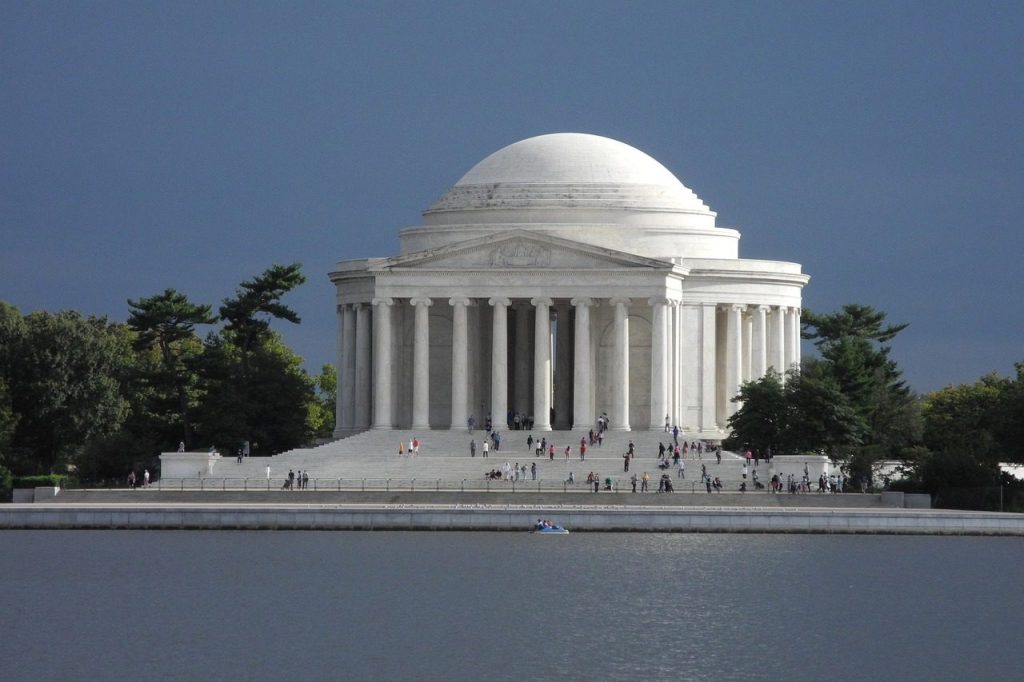
| National Mall and Memorial Parks | Managed by the National Park Service, this area includes the iconic monuments (Lincoln, Washington, Jefferson) and serves as “America’s Front Yard” for recreation [7]. |
| Washington.org | The official tourism site for the city offering comprehensive visitor guides, itineraries, and event calendars for those exploring the capital [2]. |
References
[1] New Resident Resources – DC.gov [2] Visitors Resource Center – DC.gov [3] Top hospitals in Washington D.C. by net patient revenue [4] Access HelpLine – DC Department of Behavioral Health [5] DC Department of Human Services [6] Parks and Recreation Facilities – DC.gov [7] Museums and Zoo – Smithsonian Institution

Elizabeth Redd, the Publisher of this website, grew up in a small town called Newhall, West Virginia, before moving to Washington, DC, in 1964. She worked in Prince George's County Public School System in Maryland for 40 years, opened a wig shop, made clothes, and participated in fashion shows during the '70s and '80s. She worked part-time as a caterer for a couple of years. Hand dancing has been one of her passions. She has also worked in Internet marketing for the last ten years. She also has a passion for learning new things.
She has learned that success is measured not so much by the position one has reached in life but by the obstacles one has overcome while trying to succeed. One thing is for sure: she is living her best life.