

In D.C., the postpartum experience isn’t the same for everyone. You might find that systemic racism and socio-economic factors play a significant role in maternal health disparities. For many mothers, particularly Black and Hispanic women, access to quality care remains a challenge. This raises urgent questions about the support systems in place. What can be done to bridge these gaps and ensure every mother receives the care she deserves?
Understanding Maternal Health Disparities in D.C
Understanding maternal health disparities in D.C. is crucial, especially as these gaps can significantly affect outcomes for mothers and their babies.
You might notice that socio-economic factors, access to healthcare, and systemic inequalities play key roles in shaping these disparities. For instance, lower-income neighborhoods often lack adequate maternal care resources, leading to increased risks during pregnancy and childbirth.
Additionally, cultural and language barriers can hinder effective communication between healthcare providers and mothers.
It’s essential to recognize that these disparities aren’t just statistics; they represent real lives and experiences.
Why Racial Inequities Matter in Postpartum Care?
Racial inequities in postpartum care significantly impact the health and well-being of mothers and their infants. When you consider that Black and Hispanic women often face barriers to accessing quality care, it’s clear these disparities can lead to severe health consequences.
You mightn’t realize that systemic racism influences everything from healthcare access to treatment quality. This inequity can result in inadequate support for mental health, nutrition, and follow-up care. The stress of navigating these challenges can further harm both mother and baby, creating a cycle of disadvantage.
Addressing these issues isn’t just a matter of fairness; it’s essential for improving overall maternal and infant health outcomes. Your awareness and advocacy can help drive the change needed in postpartum care.
Common Postpartum Complications and Their Impact

The impact of postpartum complications on mothers can be profound, especially when considering the existing disparities in care. You might face issues like excessive bleeding, infections, or debilitating pain, each affecting your ability to bond with your baby and care for yourself.
These complications can lead to prolonged hospital stays, increased medical costs, and emotional stress. You may also experience fatigue, which can make daily tasks feel overwhelming.
For many, these challenges are compounded by inadequate support systems and unequal access to healthcare resources. Understanding these complications’ realities is crucial, as they can hinder your recovery and overall well-being.
Acknowledging these issues is the first step toward advocating for better care and support in your postpartum journey.
Finding Mental Health Resources for New Mothers
Navigating the emotional landscape of motherhood can feel overwhelming, especially when you’re grappling with postpartum challenges.
It’s crucial to prioritize your mental health during this time. Start by reaching out to your healthcare provider; they can guide you to local mental health resources tailored for new mothers.
Online platforms and apps also offer support groups where you can connect with others experiencing similar feelings. Don’t hesitate to seek therapy, either; many therapists specialize in postpartum issues.
Additionally, local community centers often host workshops and informational sessions on maternal mental health.
How Community Support Enhances Maternal Health Outcomes
While you might feel isolated during the early days of motherhood, connecting with your community can significantly improve your health outcomes. Engaging with local moms groups, attending workshops, or joining online forums allows you to share experiences and gain valuable insights.
These connections help combat feelings of loneliness and provide emotional support, which is crucial during this transformative phase.
Moreover, community resources like lactation consultants or parenting classes can equip you with the knowledge and skills needed for a smoother transition into motherhood.
When you lean on your community, you’re not just finding support; you’re also building a network that fosters resilience and confidence.
Ultimately, this sense of belonging enhances your overall well-being and positively impacts your maternal health journey.
Necessary Policy Changes for Better Maternal Care
Building connections within your community can lay the groundwork for advocating necessary policy changes that enhance maternal care.
Start by identifying gaps in current services and rallying support from fellow parents and healthcare providers. You can push for policies that expand access to prenatal and postpartum resources, ensuring every family receives the care they need.
Advocate for improved insurance coverage for maternal health services, including mental health support. Collaborate with local organizations to address systemic inequalities that disproportionately affect marginalized communities.
How Healthcare Providers Can Improve Maternal Care
To improve maternal care, healthcare providers must prioritize communication and empathy during every interaction with expectant and new mothers.
You can create a welcoming environment by actively listening to their concerns and validating their experiences. Offering clear information about pregnancy, labor, and postpartum care helps demystify the process, making mothers feel more in control.
Encouraging questions fosters a collaborative atmosphere, allowing mothers to express their needs. Regular check-ins during visits can identify any emerging issues, ensuring timely support.
Additionally, training staff on cultural competence can address the diverse backgrounds of patients, making care more inclusive.
What Mothers Experience: Personal Stories of Postpartum Care
What do mothers truly experience during postpartum care? You navigate a whirlwind of emotions and physical challenges. Exhaustion hits hard, often leaving you feeling isolated.
Many mothers share stories of struggling with breastfeeding, feeling overwhelmed by the pressure to succeed. You might find joy in your baby’s first smiles but also face sadness that creeps in unexpectedly. The lack of support can amplify feelings of inadequacy.
You hear stories of mothers reaching out for help, only to feel dismissed. The emotional rollercoaster can be daunting, yet the bond with your baby grows amidst the chaos.
Each experience is unique, but the common thread remains: the need for understanding and support during this critical time. You deserve better care and compassion.
Taking Action: Advocating for Maternal Health Equity
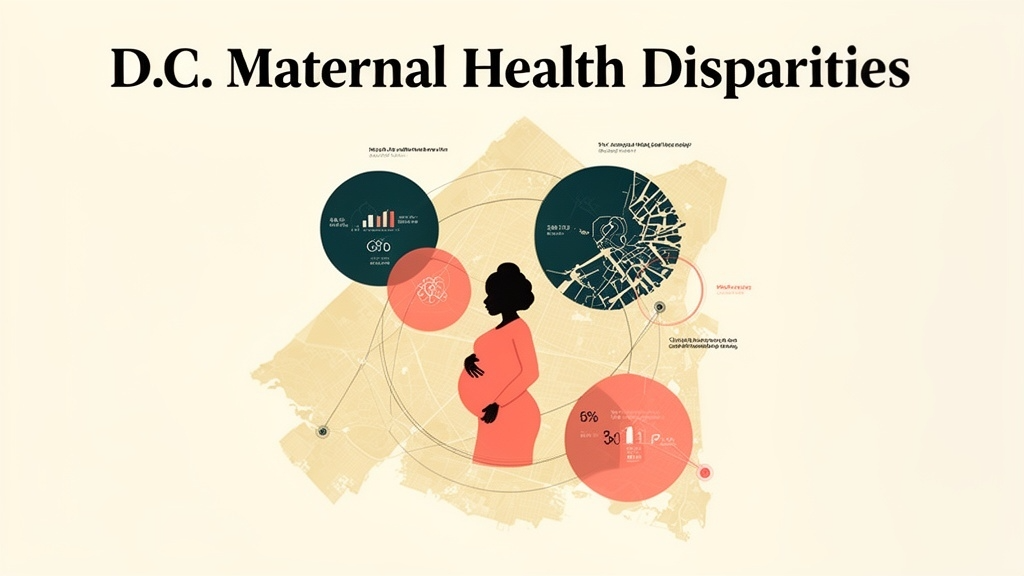
While many mothers face significant challenges during postpartum care, advocating for maternal health equity can pave the way for meaningful change.
You can start by educating yourself and others about the disparities affecting mothers in your community. Join local organizations focused on maternal health, and lend your voice to campaigns that push for better policies and resources.
Engage with lawmakers to demand funding for programs that prioritize maternal care, particularly in underserved areas. Share your experiences and listen to others, creating a supportive network that amplifies voices often overlooked.
The Role of Socioeconomic Status in Maternal Outcomes
Socioeconomic status significantly influences maternal outcomes, as mothers from lower-income backgrounds often face higher risks during pregnancy and childbirth.
You’ll notice that limited access to quality healthcare, nutritious food, and stable housing can exacerbate these risks. Financial stress can lead to inadequate prenatal care, increasing the likelihood of complications.
When you consider the emotional toll of economic instability, it becomes clear how vital support systems are.
Education also plays a role; those with less education may lack awareness of healthy practices or available resources.
Conclusion
To truly support mothers in D.C., we must confront and dismantle the systemic barriers impacting maternal health. By advocating for policy changes and enhancing community resources, we can ensure all mothers receive the care they deserve. Your voice matters—whether it’s sharing personal stories or pushing for equitable healthcare. Together, we can create a healthier future for mothers and their children, bridging the gaps caused by socio-economic disparities and racial inequities in postpartum care.