
If you’re new to Washington, DC, or simply want to make the most of your neighborhood, understanding the resources available in each ward is essential. You’ll find everything from local government contacts to health services and education programs tailored to your community. Knowing where to turn can save you time and open doors to support you might not expect. But how do you navigate the unique offerings spread across all eight wards?
Overview of DC’s Eight Wards and Their Communities
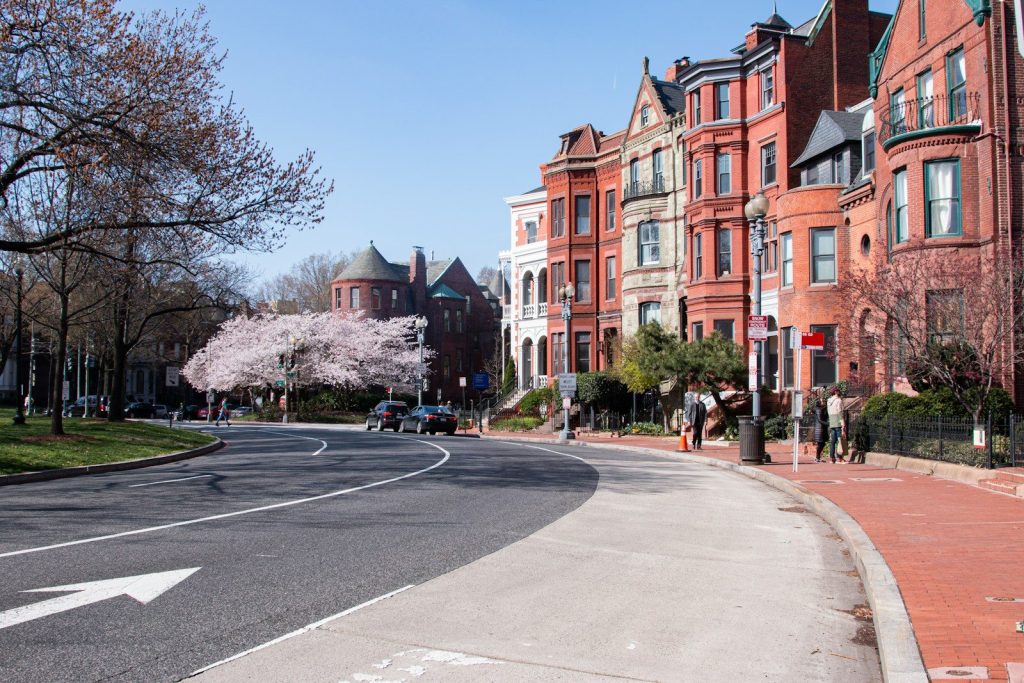
Although the District of Columbia is compact, its eight wards each offer distinct communities with unique histories, cultures, and resources.
When you explore Ward 1, you’ll find vibrant neighborhoods like Adams Morgan and Columbia Heights, known for their diversity and lively arts scenes.
Ward 2 covers downtown DC, with access to historic landmarks and bustling business districts.
Ward 3 features upscale residential areas and top-rated schools.
Ward 4 blends suburban charm with growing commercial hubs.
In Ward 5, you’ll encounter diverse neighborhoods rich in community spirit.
Ward 6 includes the Capitol Hill area and waterfront developments.
Ward 7 offers strong neighborhood ties and emerging opportunities, while Ward 8 focuses on revitalization and community programs.
Each ward’s unique character helps you navigate DC’s rich urban fabric.
Local Government Contacts by Ward
Each of DC’s eight wards has dedicated local government contacts ready to assist you with community concerns, services, and resources. You can reach out to your Ward Councilmember’s office, which acts as a direct link between you and the city government. They handle issues like public safety, housing, and neighborhood development.
Additionally, each ward has a Ward Liaison and Advisory Neighborhood Commissioners (ANCs) who represent your specific neighborhood’s interests. If you need help, start by identifying your ward and then contact your Councilmember’s office or your ANC. Their websites often provide phone numbers, email addresses, and office hours.
Engaging with these local government contacts empowers you to address concerns effectively and stay informed about developments in your community. Don’t hesitate to reach out—they’re here to help.
Health Services in Each DC Ward
When you need medical care or wellness support, knowing the health services available in your ward can make a big difference. Each DC ward offers clinics, community health centers, and specialty providers tailored to your needs.
For example, Ward 1 has several federally qualified health centers providing primary care and mental health services. Ward 4 features accessible urgent care clinics and family health programs. In Ward 7, you’ll find resources focused on chronic disease management and preventive care.
Many wards also host mobile health units and vaccination sites to ensure convenience. By connecting with local health providers, you can access affordable, quality care close to home, improving your overall well-being.
Check your ward’s official website or community centers for the most up-to-date health service locations and hours.
Education and Youth Programs in DC Wards

Education hubs and youth programs across DC wards offer a variety of opportunities to help you or your family thrive. Whether you’re looking for after-school tutoring, STEM workshops, or college prep resources, each ward provides tailored programs to support academic growth.
Many public libraries in DC host free educational events and youth literacy initiatives you can join. Local nonprofits and schools often run summer camps and mentorship programs, giving you a chance to build skills and confidence.
If you have younger children, early childhood education centers and preschool programs are available throughout the city. By tapping into these resources, you can ensure your family accesses valuable learning experiences that foster success.
Explore your ward’s offerings to find programs that fit your needs and schedules.
Recreation and Community Centers in DC Wards
Although many neighborhoods have their own unique charm, DC’s recreation and community centers offer something for everyone. When you step into these centers, you’ll find sports courts, fitness classes, art workshops, and meeting spaces designed to bring neighbors together.
Whether you want to join a basketball league, take yoga, or attend a community event, there’s a spot waiting for you in each ward. Many centers also provide programs for kids and seniors, making them true hubs of activity.
You can easily check your local ward’s community center schedule online to find classes and events that fit your interests. These centers aren’t just places to stay active—they’re where you build connections and feel part of your community.
Public Safety and Emergency Resources in DC Wards
Every DC ward offers essential public safety and emergency resources designed to keep you and your neighbors secure. You can rely on local police precincts that provide community policing, crime prevention programs, and quick response times.
Fire stations are strategically located throughout the city, ready to handle emergencies and promote fire safety awareness. Additionally, many wards have neighborhood watch groups and community alert systems to keep you informed and engaged.
When a medical emergency arises, you’ll find accessible EMS services that prioritize rapid assistance. Don’t forget to sign up for DC’s emergency notification system to receive real-time alerts about severe weather, public safety incidents, or evacuation orders.
Housing and Social Support Programs by Ward
When you’re looking for housing assistance or social support, each DC ward offers unique programs tailored to meet community needs.
In Ward 1, you can access resources like affordable housing initiatives and food assistance programs.
Ward 2 focuses on rental support and veteran services to help stabilize living conditions.
If you live in Ward 3, programs emphasize homeownership counseling and elderly care support.
Ward 4 provides emergency housing and youth mentorship opportunities.
Ward 5 features workforce development paired with housing aid.
Ward 6 offers rapid rehousing and mental health services.
In Ward 7, you’ll find programs that focus on family support and utility assistance.
Ward 8 prioritizes homelessness prevention and community outreach.
Explore your ward’s specific offerings to find the right support quickly.
Ways to Stay Engaged and Informed in Your Ward
Finding the right housing or social support program is just the start of being involved in your community.
To stay engaged and informed in your ward, regularly check your local government’s website and social media pages for updates on events, policies, and services. Sign up for neighborhood newsletters or email alerts that provide timely information about meetings, public hearings, and community news.
Attend local town halls or virtual forums to hear directly from leaders and voice your concerns. Connect with community groups on platforms like Nextdoor or Facebook to stay in the loop and exchange ideas.
Staying informed helps you understand your ward’s needs and opportunities, empowering you to make a positive difference where you live.
Volunteer and Civic Engagement Opportunities in DC Wards
Although it can be challenging to know where to start, volunteering in your DC ward offers meaningful ways to connect with neighbors and support local causes. You can join neighborhood cleanups, help at food banks, or assist local schools and community centers.
Many wards have advisory neighborhood commissions or civic associations that welcome volunteers to shape policies and organize events. You don’t need special skills—just your time and commitment.
Volunteering also helps you stay informed about issues affecting your ward and build relationships with community leaders. Check ward-specific websites, social media pages, or local libraries for listings of opportunities.
How to Use This Guide to Access Ward Resources
Wondering how to navigate the wealth of resources available across DC wards? This guide breaks down essential services and opportunities by ward, making it easy for you to find what you need quickly.
Start by identifying your ward using the interactive map or address tool. Then, explore sections tailored to housing, education, health, and community programs specific to your area.
Use the clear headings and links to connect directly with organizations and contacts. Keep an eye out for updates, as resources change regularly.
If you’re interested in citywide programs, these are highlighted too. By following this straightforward approach, you’ll efficiently access the support and opportunities available in your neighborhood without feeling overwhelmed.
This guide puts the power of information right at your fingertips.
Conclusion
Now that you’ve explored the resources across all eight DC wards, you’re ready to connect with local services that fit your needs. Use this guide to reach out to government contacts, access health and education programs, and get involved in your community. Whether you’re looking for housing support, recreation, or volunteer opportunities, these tools empower you to make the most of what your ward offers. Start engaging today and enhance your experience living in DC!