You might have heard about the debate over changing the Kennedy Center’s name, but do you know what sparked it? The center, long associated with JFK’s legacy, now faces scrutiny as people reconsider whose names should grace such cultural landmarks. Understanding the history and the controversies tied to this issue reveals why it’s more than just a name—it’s about identity, values, and the stories we choose to honor.
The History Behind the Kennedy Center Name
The Kennedy Center’s name honors President John F. Kennedy, commemorating his commitment to the arts and culture in America.
When the center opened in 1971, it symbolized a national dedication to artistic excellence, reflecting JFK’s vision. You’ll find that the center serves as a premier venue for theater, music, and dance, attracting millions annually.
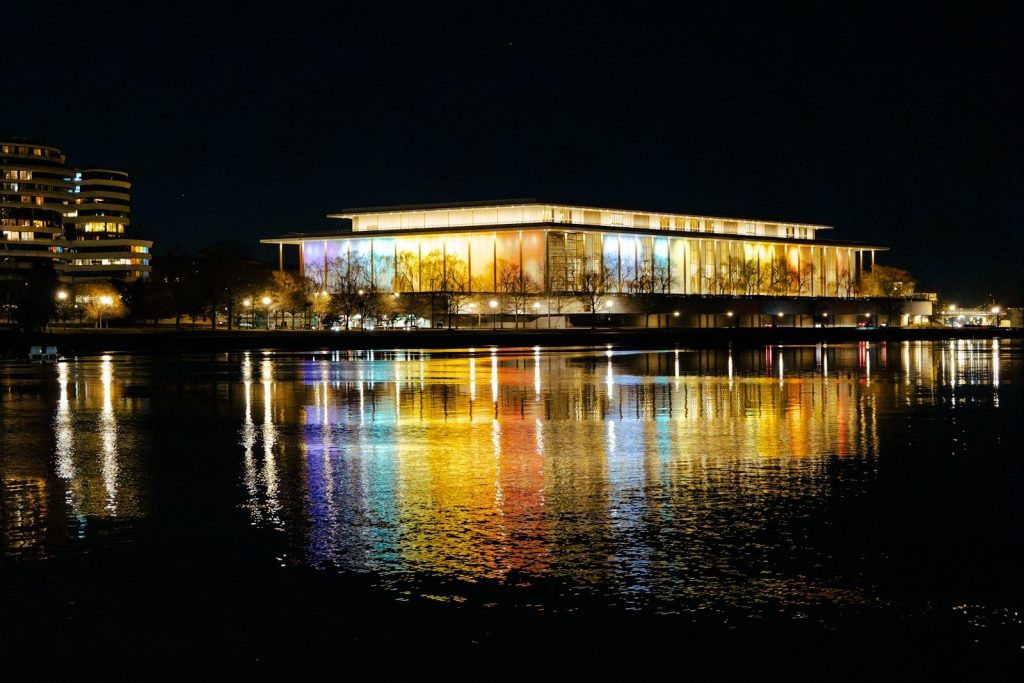
Its name reminds you of the president’s legacy and the cultural enrichment he championed. Designed by architect Edward Durell Stone, the building itself is an iconic structure located in Washington, D.C., near the Potomac River.
When you visit, you experience a blend of history and creativity, all tied to JFK’s influence. The name has long stood as a tribute to his passion for uniting people through the arts.
Why Is the Kennedy Center Name Under Debate?
While the Kennedy Center’s name honors President John F. Kennedy, you might wonder why its name is now under debate. The discussion has grown as people question whether the name fully represents the values and diversity of today’s society.
You’ll find that some feel the center should reflect a broader range of contributions beyond a single figure. Others argue that keeping the name overlooks evolving public sentiments and cultural shifts.
You’re likely aware that naming public landmarks often sparks debate when historical perspectives change or new priorities emerge.
Ultimately, the debate isn’t just about a name—it’s about how you and your community want to honor history while embracing inclusivity and progress in the arts and culture landscape.
Controversies Connecting JFK’s Legacy to the Kennedy Center
Although many admire John F. Kennedy for his leadership and vision, you should be aware that controversies connect his legacy to the Kennedy Center.
Some critics argue that JFK’s administration had flaws, including handling civil rights issues and foreign policies that sparked debate. You might find it surprising that these aspects influence how people view the Kennedy Center’s name today.
The center, meant to honor cultural achievements, now faces scrutiny because it carries JFK’s legacy, which isn’t universally celebrated.
When you consider renaming, you must weigh both his contributions and the controversies. Understanding this tension helps you grasp why some advocate for change while others defend the center’s current name, reflecting a complex legacy entwined with America’s history.
Cultural Shifts Driving the Kennedy Center Renaming Debate
You’ve seen how JFK’s mixed legacy influences opinions about the Kennedy Center’s name.
Now, you’re witnessing a broader cultural shift that fuels the renaming debate. Society increasingly demands that public landmarks reflect values like inclusivity and accountability.
You notice people questioning whether honoring historical figures with complicated pasts aligns with today’s commitment to social justice. This shift pushes institutions to reconsider whom they celebrate and why.
As you follow the conversation, it’s clear that the Kennedy Center’s name symbolizes more than history; it represents evolving attitudes about representation and memory.
You understand that these cultural changes drive calls to rename the center, aiming to better match contemporary ideals and create a space where everyone feels acknowledged and respected.
Who Is Leading the Movement to Rename the Kennedy Center?
Who exactly is pushing for the Kennedy Center to change its name? You’ll find a coalition of activists, artists, and community leaders leading the charge.
These individuals believe the Center’s name no longer reflects the values of inclusivity and social justice that many hold dear today. You’ll also see advocacy groups calling for a name that better honors diverse contributions to American culture.
Some prominent voices include younger generations of performers and scholars who want to address historical injustices through symbolic change.
If you follow social media and public forums, you’ll notice campaigns gaining momentum, urging officials to reconsider the Kennedy Center’s legacy.
This movement isn’t just about a name—it’s about reshaping cultural landmarks to reflect evolving societal values.
Proposed New Names for the Kennedy Center
As the movement to rename the Kennedy Center gains traction, attention turns to the new names being proposed.
You’ll find suggestions reflecting a broader commitment to inclusivity and cultural recognition. Some propose naming it after prominent figures in the arts who’ve historically been marginalized, like Maya Angelou or Langston Hughes.
Others suggest titles that highlight the center’s role as a national hub for diverse artistic expression, such as the National Center for the Arts or the American Cultural Arts Center.
There are even ideas to adopt names that emphasize unity and progress, avoiding individual names altogether.
These proposals aim to better represent the values and diversity of today’s society, sparking important conversations about identity and legacy within this iconic institution.
What Renaming Would Mean for the Kennedy Center’s Identity
While renaming the Kennedy Center might seem like a simple change, it would deeply affect how you and the public perceive its identity.
The center carries decades of history tied to President Kennedy’s legacy in arts and culture. Changing its name would reshape that connection, influencing how visitors and artists relate to the institution.
You’d see the center’s brand shift, potentially altering its prestige and recognition worldwide. The new name could reflect evolving values or honor different figures, but it might also challenge the continuity that many associate with the Kennedy Center.
Ultimately, renaming isn’t just about a title—it’s about the story and symbolism the center projects to you and the broader community.
You’d experience a redefined cultural landmark, with all the implications that brings.
Key Arguments Against Changing the Kennedy Center Name
Because the Kennedy Center’s name carries significant historical and cultural weight, many argue against changing it. You might feel that renaming could erase an important connection to President John F. Kennedy’s legacy and the center’s role in American arts history.
People worry that altering the name would confuse visitors and weaken the institution’s brand recognition. You could also see this as an unnecessary distraction from the center’s main mission: promoting the arts.
Critics argue that instead of changing the name, the Kennedy Center should focus on expanding its programs and inclusivity. They believe keeping the name honors tradition while allowing the center to evolve.
Ultimately, you might agree that preserving the name maintains stability and respects the center’s established identity.
Conclusion
You can see why the Kennedy Center’s name sparks debate—it’s about more than just a building; it’s about whose stories we choose to honor. While some want a name that better reflects today’s values and diversity, others worry about losing historical context. Whatever side you lean toward, this conversation challenges you to think critically about how public spaces represent history, identity, and progress in a changing society.